


High blood pressure, or hypertension, affects over 1.28 billion adults worldwide, according to the World Health Organization (WHO, 2023). It’s often called the “silent killer” because it can quietly damage your heart, arteries, and kidneys over time—without showing symptoms until it’s serious. The good news? What you eat can make a massive difference.
This article explores the best diet for high blood pressure, the science behind how certain foods help, and what to avoid. Whether you’re managing hypertension or simply aiming for a healthier heart, you’ll discover practical, evidence-based nutrition strategies you can start using today.
Best Diet for High Blood Pressure
Help Your Blood Vessels Do Their Job
Your blood vessels play a vital role in maintaining healthy blood flow. When they become stiff or narrow, often due to poor diet or excess sodium, blood pressure rises. Research shows that dietary changes can improve endothelial function, which keeps vessels flexible and resilient.
A DASH (Dietary Approaches to Stop Hypertension) or Mediterranean diet emphasizes foods that help your arteries relax and reduces strain on your cardiovascular system.
Key Nutrients and Foods for Managing Blood Pressure
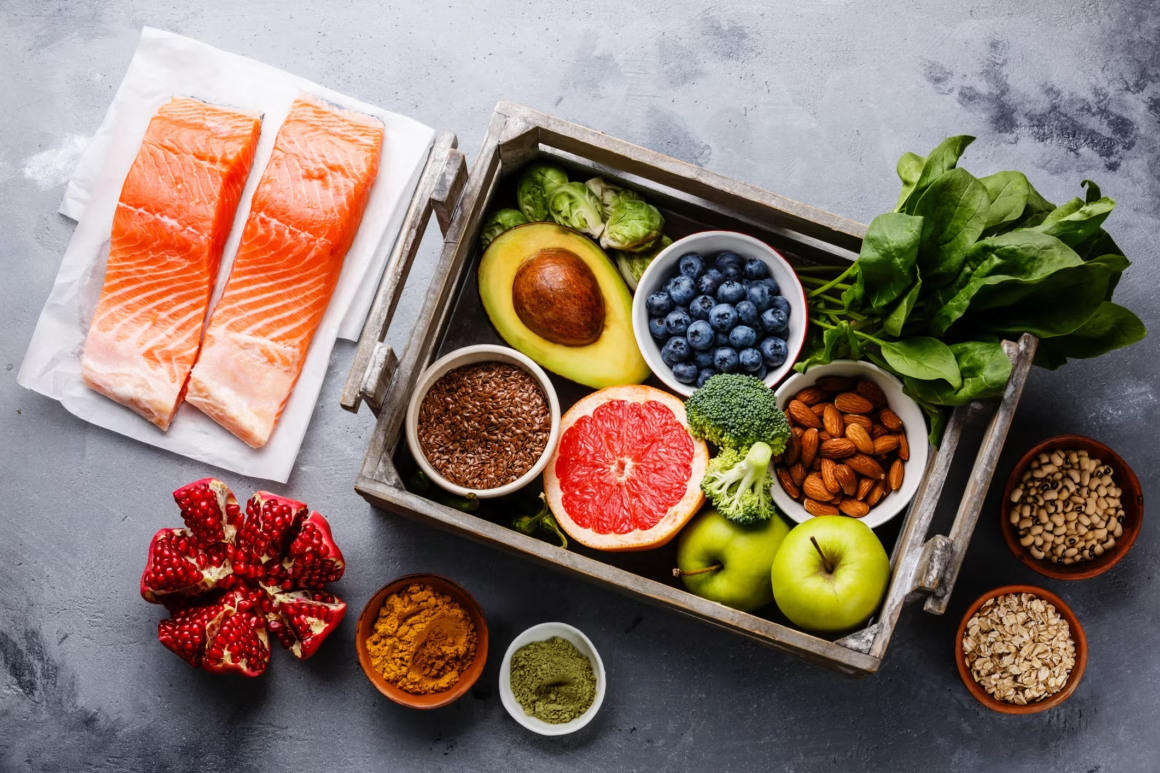
A heart-healthy diet includes nutrients proven to lower blood pressure naturally:
- Potassium: Helps your body balance sodium. Found in bananas, avocados, spinach, and beans.
- Magnesium: Supports muscle and nerve function, helping vessels relax. Sources include almonds, leafy greens, and whole grains.
- Calcium: Strengthens blood vessel walls. Choose low-fat dairy and fortified plant milks.
- Fiber: Lowers cholesterol and supports weight management. Get it from oats, fruits, and vegetables.
- Omega-3 Fatty Acids: Found in salmon, mackerel, and chia seeds, omega-3s reduce inflammation and improve vessel elasticity.
According to the American Heart Association (AHA, 2024), these nutrients work synergistically to reduce both systolic and diastolic blood pressure.
Crafting a Heart-Healthy Diet
Building a diet that supports blood pressure control doesn’t mean sacrificing flavor. Here’s how to design one:
- Base your meals on plants: Fill half your plate with vegetables and fruits.
- Choose whole grains: Brown rice, quinoa, and oats stabilize energy and reduce blood pressure risk.
- Limit processed foods: Avoid items high in trans fats, sodium, and added sugars.
- Use herbs over salt: Season food with garlic, lemon, and spices like turmeric and basil.
- Drink more water: Staying hydrated supports proper blood flow.
A study in The Lancet (2021) found that individuals following the DASH diet lowered their systolic blood pressure by an average of 11 mmHg compared to those on a standard Western diet.
Healthy Food on a Budget
Eating for your heart doesn’t have to break the bank. Some budget-friendly options include:
- Frozen or canned (low-sodium) vegetables and fruits
- Whole grains like oats and brown rice bought in bulk
- Lentils, beans, and chickpeas as inexpensive protein sources
- Home-cooked meals instead of takeout
Meal planning and batch cooking can further reduce costs while keeping nutrition high.
Can Supplements Help?
While supplements like magnesium, potassium, or fish oil may help in specific cases, they should never replace a balanced diet. Always consult your doctor before starting supplements, as excessive doses can cause health issues—especially for those with kidney conditions or on certain medications.
How Often Should You Check Your Blood Pressure?
For most adults, checking blood pressure at least once a month at home or during routine doctor visits is ideal. Those with hypertension should monitor it more frequently. Home blood pressure monitors approved by the British and Irish Hypertension Society offer reliable results.
London to Brighton Bike Ride
Physical activity is a crucial part of maintaining healthy blood pressure. Events like the London to Brighton Bike Ride not only promote cardiovascular fitness but also raise awareness about heart health. Regular aerobic exercise, like cycling, walking, or swimming—can lower systolic blood pressure by 5–8 mmHg, according to the AHA.
4 Foods That Lower Blood Pressure
1. Fruit and Vegetables
Packed with potassium, fiber, and antioxidants, fruits and veggies help balance sodium levels and protect blood vessels. Aim for at least five servings daily. Leafy greens like spinach and kale are especially beneficial.
2. Wholegrains
Wholegrains such as oats, quinoa, and brown rice contain magnesium and fiber that improve heart health. A 2020 meta-analysis in Nutrients Journal found that people who eat wholegrains daily have a 19% lower risk of hypertension.
3. Lean Protein
Opt for lean protein sources like fish, poultry, and legumes. Fatty fish, rich in omega-3s, can lower inflammation and improve artery function.
4. Low-Fat Dairy
Low-fat milk, yogurt, and cheese provide calcium and protein without excessive saturated fat. Studies show that people who consume low-fat dairy regularly have a 7% lower risk of developing high blood pressure.
What Else Can Help Lower My Blood Pressure?
- Regular exercise (at least 150 minutes per week)
- Reducing stress through mindfulness or yoga
- Limiting processed foods and alcohol
- Maintaining a healthy weight
4 Foods to Avoid With High Blood Pressure
1. Salty Foods
Sodium is one of the biggest culprits behind hypertension. The AHA recommends limiting sodium intake to less than 1,500 mg per day. Common high-sodium foods include canned soups, sauces, and processed snacks.
2. Sugary and Fatty Foods
Excess sugar and unhealthy fats contribute to obesity and insulin resistance, both of which increase blood pressure. Avoid sugary drinks, pastries, and fried foods.
3. Alcohol
Heavy drinking raises blood pressure and damages arteries. Stick to moderate levels—one drink per day for women, two for men, as per CDC guidelines.
4. Excess Caffeine
While moderate coffee consumption is safe, excessive caffeine can cause temporary spikes in blood pressure. Limit intake to 2–3 cups per day if you’re sensitive.
Conclusion
Managing high blood pressure doesn’t require drastic measures, just consistent, mindful choices. By embracing a diet rich in whole foods, lean proteins, and healthy fats, and limiting sodium and processed items, you can protect your heart for the long term. Combine a healthy diet with regular exercise, proper sleep, and stress management, and you’ll be well on your way to better blood pressure control.
What small change can you make today to take charge of your heart health?
FAQs
Q1: What is the best diet for high blood pressure?
The DASH and Mediterranean diets are most recommended because they focus on fruits, vegetables, whole grains, and lean proteins.
Q2: Can drinking water lower blood pressure?
Staying hydrated helps maintain blood volume and kidney function, indirectly supporting blood pressure control.
Q3: Are bananas good for high blood pressure?
Yes. Bananas are rich in potassium, which helps your body flush out excess sodium.
Q4: How quickly can diet changes affect blood pressure?
You may see improvements within two to four weeks of consistent dietary changes.
Q5: Is coffee bad for hypertension?
Moderate coffee consumption is generally safe, but excessive caffeine can cause temporary blood pressure spikes.

